
Latest posts
-
How does role overload impact workplace violence prevalence?

Occupational violence and aggression (OVA) is a pervasive issue in the healthcare sector, affecting the safety and wellbeing of nursing and caring professionals. Research from Monash University sheds light on the prevalence, sources, and predictors of OVA, as well as the critical role of workplace safety measures in mitigating these incidents. This post delves into…
-
Do Body-Worn Cameras Prevent Workplace Violence?
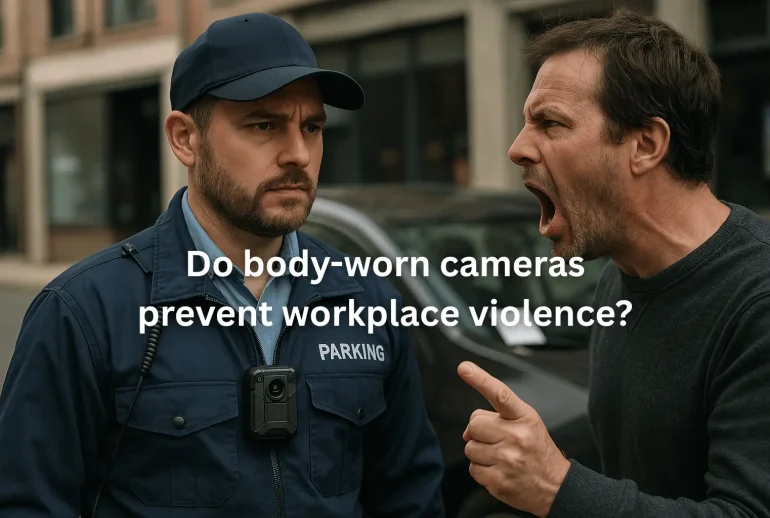
In recent years, the use of body-worn cameras (BWCs) has become increasingly prevalent in various professional settings, particularly within law enforcement and regulatory authorities. These devices are primarily employed to enhance transparency and accountability. However, their potential to mitigate workplace violence has garnered significant attention. This summary explores the effects of BWCs on workplace violence,…
-
How Can Thoughtful Emergency Department Design Reduce the Risk of Violence and Improve Staff Wellbeing?
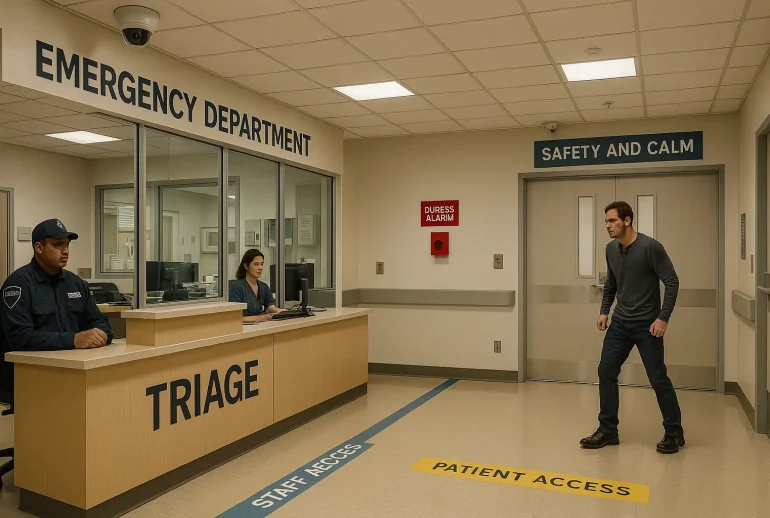
Violence in healthcare settings, especially within hospital emergency departments (EDs), has reached alarming levels worldwide, contributing to physical harm, psychological distress, increased staff turnover, and ballooning organisational costs. While aggression in EDs is often framed as a behavioural or cultural issue, growing evidence suggests that the built environment may play a decisive role in either…
-
Factors associated with aggressive behavior between residents and staff in nursing homes

Aggression in long-term care can show up as swearing and threats, hitting or hair-pulling, and even unwanted sexual advances. Smaller studies have blamed everything from dementia severity and low staff-to-resident ratios to poor leadership and worker burnout, but we’ve never had a big, representative look at all these angles in one go. The Swiss Nursing…
-
A New Approach to Situational Awareness Training for Occupational Violence and Aggression

Generic de‑escalation training often looks good on paper and fizzles on the floor. A new study shows a different path: build simple, situation‑specific playbooks, drill them, and measure what matters. The result? Fewer incidents, less severe harm, and staff who feel more equipped to cope. A research summary of:Source: Cai et al., “The effectiveness of a…